Straight to it
Care guides

Dogs
A dog is the most expensive, most time-hungry mainstream pet in America — and for the right household, worth every hour and dollar.
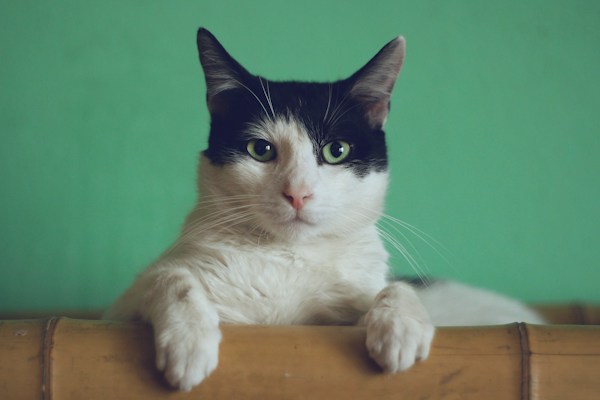
Cats
A cat is the easiest mainstream pet to keep and one of the easiest to quietly fail — it will hide its illness, tolerate a barren home, and pay for both with years of its life.

Rabbits
A rabbit is a decade-long, dog-sized commitment in a small, fragile, easily misread body — wonderful for the right adult, wrong for almost every child.

Guinea Pigs
Guinea pigs are the honest family choice among small pets — sturdy, vocal, and beginner-friendly — but only ever in pairs, only in a much bigger cage than stores sell, and only with vitamin C in the bowl every single day.

Hamsters
A hamster is a cheap animal with expensive standards: it needs a bigger cage than most pet stores sell, it is awake while you are asleep, and it is a genuinely poor pet for young children.

Rats
Rats are affectionate, clever pets that will train you back — and they live only 2 to 3 years, so the goodbyes come fast.

Budgies
A budgie is a ten-year commitment to a small flock parrot that needs daily out-of-cage flight, a bigger cage than the starter kit, and a home with no nonstick cookware in its air space.

Cockatiels
A cockatiel is a small, gentle, whistling parrot that needs your company every single day — possibly for 25 years or more — and can be killed by the fumes from a nonstick pan in the next room.

Ferrets
A ferret is a puppy-level commitment in a two-foot body — affectionate, hilarious, illegal to own in California and Hawaii, and very likely to need expensive endocrine care in middle age.

Bearded Dragons
A bearded dragon is a calm, watchable, genuinely handleable lizard — attached to a four-foot heated enclosure with lighting that must work perfectly, every day, for 7-12 years, or the animal's skeleton fails.

Leopard Geckos
A leopard gecko is a genuinely good first reptile — and a 10-20 year commitment to buying, gut-loading, and dusting live insects that almost nobody sees coming.

Corn Snakes
A corn snake is the easiest-going pet reptile there is — a calm, cheap-to-feed escape artist that will spend 15-25 years testing your enclosure lid, and that you legally cannot own in Georgia.

Red-Eared Sliders
A red-eared slider is a 20-to-50-year commitment to a large, expensive aquarium, sold for the price of a sandwich to people who expect a bowl pet.

Tortoises
A tortoise is the one pet you plan an estate around: a 40-to-100-year grazing animal that needs more floor space, more sunlight, and more paperwork than anyone expects.

Betta Fish
A betta is a smart, trainable, genuinely good first fish — as long as you understand that the bowl it was sold next to is the thing most likely to kill it.

Axolotls
An axolotl is a 10-to-15-year commitment to keeping a tank of water cold and clean, for an animal you will watch but never hold — and one you cannot legally own in every state.
When the FDA posts a pet food or drug recall, we email you the same day. Nothing else, ever, and one click to stop.
You confirm by email first. We keep the address for this and nothing else.