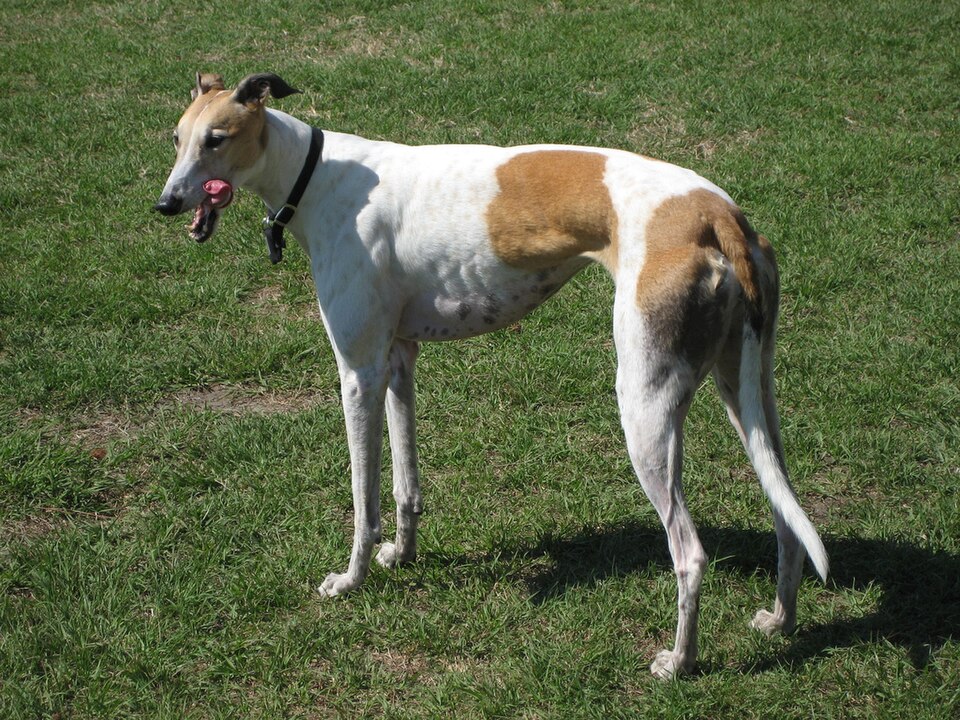
Greyhounds process common anesthetic and sedative drugs very differently from most breeds because of their low body fat and liver enzyme profile, and their thin skin and minimal coat mean everyday scrapes turn into real wounds — and despite the athletic racing image, large numbers of retired racing Greyhounds are calm, low-energy dogs available through rescue, generally for far less than a puppy from a breeder.
11.5years, median
1 years below the all-dog median of 12.5.
Measured, not estimated: the middle age at death across 584,734 UK dogs, 284,734 of them deceased. Based on 6,989 dogs of this breed. 95% confidence interval 11.4 to 11.6 years. Half lived longer than this, half did not. UK dogs, so treat it as the best available figure rather than a promise about yours.
In the same study, large breeds as a group had a median of 11.9 years and long-muzzled breeds 12.1. This breed is large and long-muzzled.
McMillan et al. 2024, Scientific Reports 14:531 — open access · CC BY 4.077.5% of Greyhounds had at least one disorder recorded in 2016.
From the clinical records of 2,715 Greyhounds under veterinary care in the UK that year, read by the Royal Veterinary College’s VetCompass programme.
Most often recorded, 2016
| Disorder | Share of Greyhounds | 95% CI |
|---|---|---|
| Gum disease (periodontal disease) | 39% | 37.2–40.9 |
| Overgrown nails | 11.1% | 10.0–12.4 |
| Wound | 6.2% | 5.3–7.1 |
| Osteoarthritis | 4.6% | 3.8–5.4 |
| Claw injury | 4.2% | 3.4–5.0 |
| Diarrhea | 3.4% | 2.7–4.1 |
| Lameness | 3.1% | 2.5–3.8 |
| Heart murmur | 2.6% | 2.0–3.3 |
| Corn on the pad | 2.4% | 1.9–3.1 |
| Dog-bite injury | 2% | 1.5–2.6 |
Age at death in this sample
Median 11.4 years (middle half 9.6 to 12.8), 2016 data. Of the 372 deaths with a recorded cause: Cancer (neoplasia) 21.5%, Collapse 14.3%, Muscle, bone or joint disorder 7.8%, Lump (mass) 5.7%, Spinal cord disorder 5.7%. Females 11.8 years, males 11.2. Different sample and year from the measured lifespan above, which is why the two numbers differ.
The authors put the 39% gum-disease figure at more than four times the 9.3% previously reported across all breeds. Most UK Greyhounds are ex-racers, which shapes the wound and claw figures too.
“Periodontal disease was by far the most prevalent fine-level disorder in the current study, with 39% of greyhounds affected during the single year of the study.”— the authors, O'Neill et al. 2019, Canine Genetics and Epidemiology 6:4
Health tests to ask the breeder for
Greyhound Club of America sets the tests a Greyhound needs for a CHIC number in the OFA's open database. A CHIC number means the tests were done and the results are public. It does not mean the dog passed them: ask for the results for both parents, or look them up yourself on ofa.org.
- Cardiac Evaluation (Advanced Cardiac Exam or Basic Cardiac Exam)
- Participation in the OFA/CHIC DNA Repository (blood sample required)
- Eye Examination by a boarded ACVO Ophthalmologist
- Greyhound Polyneuropathy (NDRG1) DNA test
When to spay or neuter: the guidelines split at 45 pounds grown, five to six months under it and after growth is complete over it, and the UC Davis study gives a guideline by breed for 35 breeds. The spay and neuter page has both, and the two weeks after.
- Autoimmune Thyroiditis (evaluation)
Test names as the club lists them; checked September 2026. OFA CHIC breed page. How to use this at the breeder: check a breeder.
Adopt a Greyhound near you
Shelters and rescues list Greyhounds and Greyhound mixes on Petfinder. Enter a ZIP code to see who is waiting within 100 miles.
Listings come from Petfinder and open there. Petipedia does not take part in adoptions and earns nothing from them.
Living with a Greyhound
Despite the racing reputation, a Greyhound's day-to-day energy is famously low — often described as '45-mph couch potatoes' because after a short sprint they're content to sleep most of the day. The real day-to-day considerations are different from what people expect: thin skin that nicks and tears easily, the need for a vet who understands sighthound anesthesia, and, for adopted ex-racers, some retraining around stairs, glass doors, and small pets, since many have never lived in an ordinary home before.
Health you should know about
- Anesthesia and sedative sensitivity — low body fat and lower hepatic oxidative enzyme activity mean standard barbiturate-based anesthesia can be dangerous; sighthound-experienced vets adjust drug choice and dosing.
- Greyhound fibrinolytic syndrome (delayed post-surgical bleeding) — one study found significant hemorrhage after routine spay/neuter in about 26% of Greyhounds, versus roughly 0-2% in other breeds.
- Thin skin and minimal coat — makes the breed prone to skin tears and lacerations, and to both cold and heat sensitivity due to low body fat and no undercoat.
- Osteosarcoma (bone cancer) — sighthounds as a group, including Greyhounds, are considered at elevated risk for this aggressive limb cancer.
Read the full Dog Care Guide first — costs, daily time, and everything a dog needs before you choose a breed.
Naming a Greyhound? British dog and cat names, 89 of them, with what they mean.
Sources — 5 references
Last reviewed October 2026. 5 sources listed below. Written and maintained by Petdeals.io. General care information, not veterinary advice — for a sick animal, call a vet.